EcoBoost Timing Chain Rattle & Cam Phaser Fix: The Cold-Start Rattle Explained
The 3.5 and 2.7 EcoBoost cold-start rattle is a stretched timing chain and worn cam phasers — here's how to read P0016/P0017, when a full chain-and-phaser kit is the fix, and which OEM parts and timing tools you actually need.
Parts for This Job at a Glance

Ford EcoBoost owners

Ford EcoBoost owners
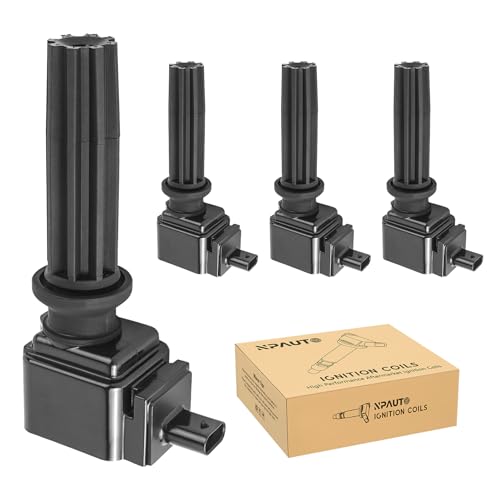
Restoring boost or chasing more power

Owners wanting more boost and towing
| # | Product | Owner Reviews | Availability | Best For | |
|---|---|---|---|---|---|
| 1 | 1,450 | $24.99 In Stock at Amazon | Ford EcoBoost owners | ||
| 2 | 311 | $29.99 In Stock at Amazon | Ford EcoBoost owners | ||
| 3 | 161 | $56.79 In Stock at Amazon | Restoring boost or chasing more power | Buy on Amazon
Prime Eligible
| |
| 4 | 363 | $36.99 In Stock at Amazon | Owners wanting more boost and towing | Buy on Amazon
Prime Eligible
|
There’s a specific sound that makes every seasoned EcoBoost owner wince: a brief, marbles-in-a-can rattle for the first second or two after a cold start, then silence as the engine settles. It’s easy to write off — it comes and goes, the truck drives fine, no warning light at first. But on the 3.5 and 2.7 EcoBoost that cold-start rattle has a well-known cause: a stretched timing chain and worn cam phasers. Here’s how to read it, when it’s time to act, and exactly which parts and tools the job takes.
Why the EcoBoost Rattles on Cold Start
The EcoBoost runs its cams off a chain-driven variable timing system. A hydraulic tensioner keeps the primary chain tight, and the cam phasers — oil-pressure actuators on the cam sprockets — advance and retard the cams on the fly for power and efficiency. Both depend on oil pressure to do their job quietly.
At cold start there’s a gap of a second or two before the oil pump fully loads that tensioner. On a healthy engine with a tight chain, you never hear it. But once the chain has stretched with miles — the links and pins wear, the chain gets a hair longer, and the slack grows — that brief unpressurized window is enough for the chain to slap the guides. That’s the rattle. Worn phasers add to it, clattering until oil pressure locks them.
The tell is that the noise is worst cold and fades as the engine warms, because warm oil pressure takes up the slack. That fade is exactly why owners ignore it for tens of thousands of miles — the truck sounds fine ninety seconds after start. It isn’t fine. The chain only gets longer.
The Codes: P0016, P0017 and Friends
As the chain stretches, the cams start lagging the crankshaft, and eventually the engine computer notices. It compares the crank position sensor to the cam sensors and sets a camshaft-to-crankshaft correlation code:
- P0016 — bank 1 intake cam out of correlation
- P0017 — bank 1 exhaust cam
- P0018 / P0019 — bank 2 (on the V6)
These can also be thrown by a stuck cam phaser or a dirty VCT (variable cam timing) solenoid, so a correlation code isn’t only a chain — but on a high-mile EcoBoost with the classic cold rattle, a stretched chain is the root cause far more often than not. If you’re chasing these codes, cross-reference the generations and fitment guide to confirm which engine and year you have before ordering parts, because the timing components differ across the family.
Don’t Wait It Out — This Is an Interference Engine
Here’s the part owners need to hear plainly: the EcoBoost is an interference engine. If a stretched chain jumps a tooth, or a worn guide finally cracks and lets the chain go slack, the cam timing can slip far enough that valves meet pistons. That turns a planned maintenance job into bent valves, possible piston damage, and a teardown. The cold-start rattle is the cheap warning that comes before the expensive failure. Treat it as a countdown, not a quirk.
What the Repair Actually Involves
Doing it right means resetting the entire front-of-engine timing assembly at once — not swapping a single part and hoping. A proper EcoBoost timing job replaces:
- The primary (and secondary) timing chains
- The chain guides and tensioners
- The cam phasers — worn on the same oil and miles as the chain
- The VCT solenoids that feed the phasers
Because you’re already inside the front cover to reach any of it, doing the whole set is the only version of this job that actually stays fixed. A Camshaft Holding Tool Kit Fit for Ford 3.5L & 3.7L 4V Engines,… puts every one of those pieces in a single box matched to the Ford (2017–2021) 3.5, so you’re not sourcing eight part numbers separately or mixing a new chain with tired phasers. On a truck with real miles, the complete kit is the honest repair.
The Tools This Job Requires
This is not a weekend brake swap. When the chain comes off, the camshafts must be held in exact position so the engine doesn’t lose time — get this wrong and you’re back to bent valves. That’s what dedicated timing tools are for, and on the EcoBoost they aren’t optional:
- On the Gen2 3.5 EcoBoost (2017–2024 F-150, Expedition, Navigator), the correct 303-1655-style camshaft holding and alignment tool locks the cams and includes the RT11 sprocket-screw socket you need to service the phasers. Doing a Gen2 chain job without it is asking for trouble.
- On the four-cylinder 2.0 and 2.3 EcoBoost (Focus, Fusion, Mondeo, Mustang, and the Escape/Edge), the timing is set with a different kit — a 2.0T/2.3T camshaft timing locking tool set (303-1600 / 303-1595 / 303-1504) covers those engines. Match the tool to the engine; the V6 and four-cylinder locking tools are not interchangeable.
A capable home mechanic with these tools and a service manual can do the job. Without them, don’t start it. A common play among owners: buy the complete OEM kit and the correct timing tool, then hand both to a trusted independent shop — you control the parts quality and the shop just supplies labor.
While You’re In There
The front of the EcoBoost is a lot of labor to reach, so it’s worth addressing the neighbors on the same teardown. If your build is high-mileage or you’re refreshing a bottom end at the same time, a genuine-spec crankshaft kit for the 3.5/3.7 (AA5Z-6303-F) is the kind of part you only want to touch once. And any time the front cover and PCV routing are open is a smart moment to review the oil catch can and crankcase guide — the direct-injection EcoBoost benefits from catching oil vapor before it cokes the intake valves, and the plumbing is right there.
Once the truck is back together with fresh timing, keep it that way by following the EcoBoost maintenance schedule. Chains stretch fastest on tired oil and stretched oil-change intervals; clean oil on time is the single best thing you can do to make the next chain last. And if the rattle came with a stumble under boost, don’t assume it’s all timing — read the ignition coils and spark plugs guide too, since a boosted misfire and a timing rattle can show up together on a high-mile truck.
New Kit or OEM Take-Off?
For a complete new timing kit, Amazon Automotive is the fast route — the OEM-style chains, tensioners, phasers and solenoids ship as a matched set, and so do the timing tools. Use the product cards below to check current availability and fitment.
For genuine Ford (Motorcraft) individual phasers, VCT solenoids, or a specific chain part number — the pieces many owners insist on for the twin-turbo 3.5 — eBay Motors is the marketplace, with new genuine and low-mile take-off parts listed daily. Use the OEM-parts buttons on this page. The 2.7 shares the same design philosophy and its own chain kits list there too. Whichever way you buy, match the engine and year exactly: the 3.5, 2.7, and four-cylinder EcoBoosts use different timing hardware, and the turbos category and tuners category pages point to the related components if you’re refreshing more than the chain.
The cold-start rattle isn’t a personality trait. It’s a stretched chain telling you it’s time — and on an interference engine, listening early is the cheapest repair you’ll ever make.
Shopping used or OEM? Try eBay Motors
Live listings for the parts covered in this guide — prices set by the seller.
OEM 3.5 timing chain kits — selling now
LIVEReal-time eBay auctions · bids shown are current · tap a card to bid on eBay
Browse every live “ford 3.5 ecoboost timing chain kit OEM phaser” listing on eBay →
Recommended Parts for This Guide
Camshaft Holding Tool Kit Fit for Ford 3.5L & 3.7L 4V Engines, 3.5 EcoBoost | with Tension Tool, Timing Alignment Holder Tool, Replaces 303-1248 303-1530 RT11, with Case and Gloves
1,450 owner reviews
Camshaft Holding Tool Kit Fit for Ford 3.5L & 3.7L 4V Engines, 3.5 EcoBoost | with Tension Tool, Timing Alignment Holder Tool, Replaces 303-1248 303-1530 RT11, with Case and Gloves. A quality upgrade or replacement part for your Ford EcoBoost.
- Fits Ford EcoBoost
- Quality build
303-1655 Camshaft Holding Alignment Timing Tool Fit for Ford 3.5L EcoBoost | Compatible with Ford 3.5L Upgraded GT F-150 Expedition Lincoln Navigator 2017-2024, Gen3 10-Speed Trans, RT11
311 owner reviews
303-1655 Camshaft Holding Alignment Timing Tool, Compatible with Ford 3.5L EcoBoost Upgraded GT F-150 Expedition Lincoln Navigator 2017-2024, Gen3 10-Speed Trans, RT11 Sprocket Screw Removal Socket. A quality upgrade or replacement part for your Ford EcoBoost.
- Fits Ford EcoBoost
- Quality build
Ignition Coil Pack fit for 2.0T 2.3T Turbo Ford Lincoln (13-19), UF670 | for 2013 2014 2015 2016 2017 2018 2019 Ford Escape, Focus, Fusion, Explorer, Edge Mustang Taurus, Lincoln MKZ MKT MKC, Eco
161 owner reviews
Ignition Coil Pack Set of 4 fit for 2.0 2.3 Turbo 2013 2014 2015 2016 2017 2018 2019 Ford Escape, Focus, Fusion, Explorer, Edge Mustang Taurus, Lincoln MKZ MKT MKC, Ecoboost 2.0T 2.3T, UF670. Turbocharger hardware for the 2.7 and 3.5 EcoBoost — restore stock boost or step up to a billet-wheel upgrade turbo for more top-end power.
- Restores or adds boost
- Drop-in & upgrade options
Engine Timing Tool Kit Fit for Ford 2.0T 2.3T Jaguar Land Rover Evoque 2.0T | Camshaft Timing Locking Tool Fit for Ford Focus Mondeo 2.0 SCTi Ecoboost Ti-VCT, 2.3T Mustang 303-1600 303-1595 303-1504
363 owner reviews
Yuesstloo Engine Camshaft Timing Locking Tool Kit, Compatible with Jaguar Land Rover Evoque 2.0T, Ford Focus Mondeo Lincoln 2.0 SCTi Ecoboost Ti-VCT, 2.3T Mustang 303-1594 303-1595 303-1565 303-1504. Tuning and programming to unlock the EcoBoost's headroom — more boost, torque, and towing on the 2.7 and 3.5.
- Adds boost & torque
- Improves towing